Duy Vu
February 9, 2026
•
20 mins read

For decades, the standard for building internal software involved a heavy, often sluggish pipeline: setting up React environments, configuring Webpack, managing state libraries like Redux, and battling CSS frameworks. When Retool arrived, it promised a 10x speed increase. However, many organizations quickly realized that speed without a process leads to "technical debt at 10x speed."
The Retool Delivery Process isn't just about dragging components; it’s about applying rigorous engineering principles to a low-code canvas. In this guide, we will explore the end-to-end lifecycle—from the initial discovery of data silos to the management of production-grade release environments.
In custom software, you often start with the "User Journey." In Retool, the journey is secondary to the Data Schema.
The discovery phase must identify where data lives and, more importantly, how it moves. We categorize discovery into three buckets:
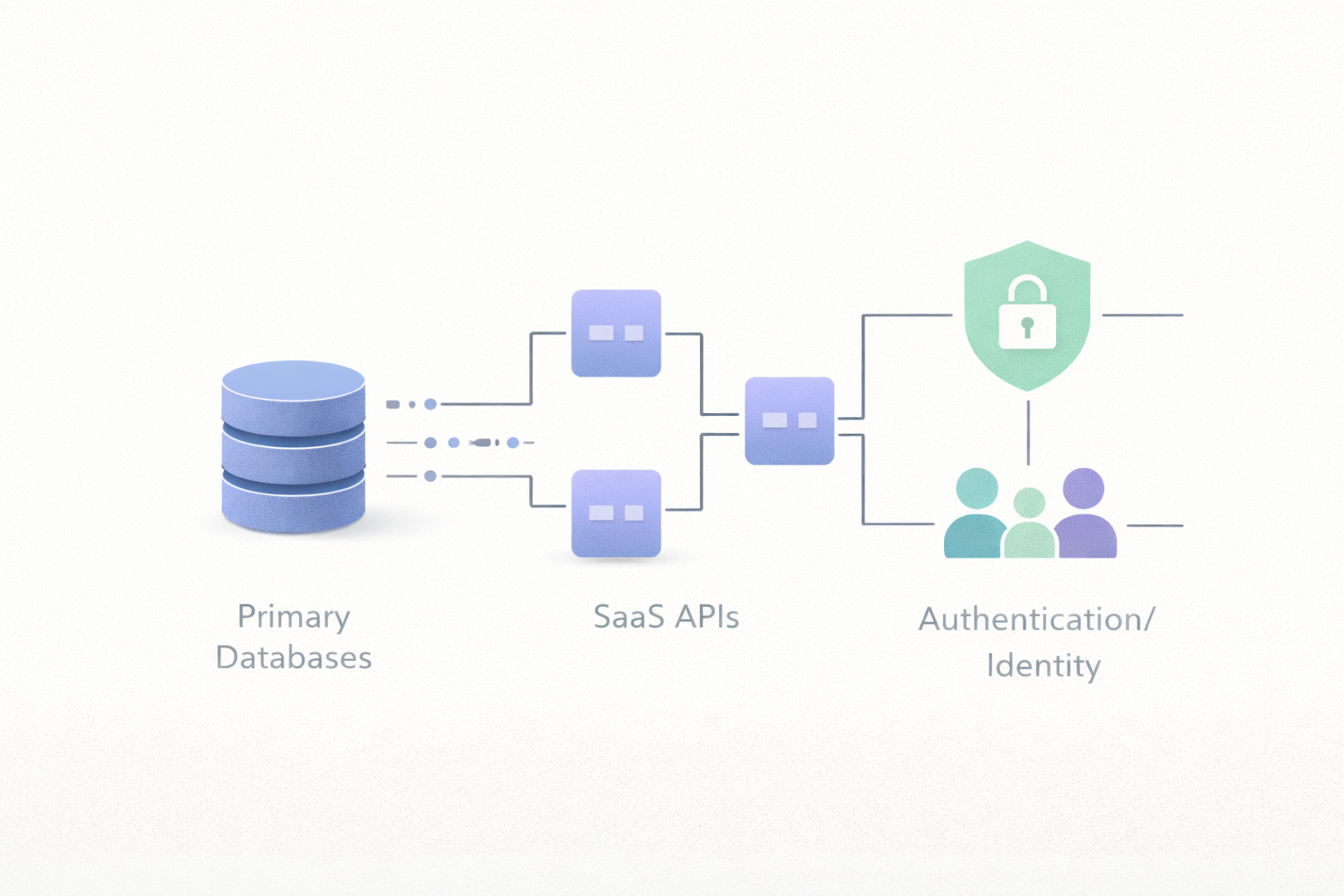
During discovery, a Retool Tech Lead must evaluate Latency and Payload. If a legacy API returns a 5MB JSON blob, Retool’s frontend performance will suffer. Part of our delivery process involves identifying where we need to build "Middleware" or "Query Transformers" to pre-process data before it ever hits the user's browser.
The biggest friction point in software delivery is the "Gap of Misunderstanding" between a static Figma design and a functional app.
In the Retool delivery process, we use the tool itself as the design medium.
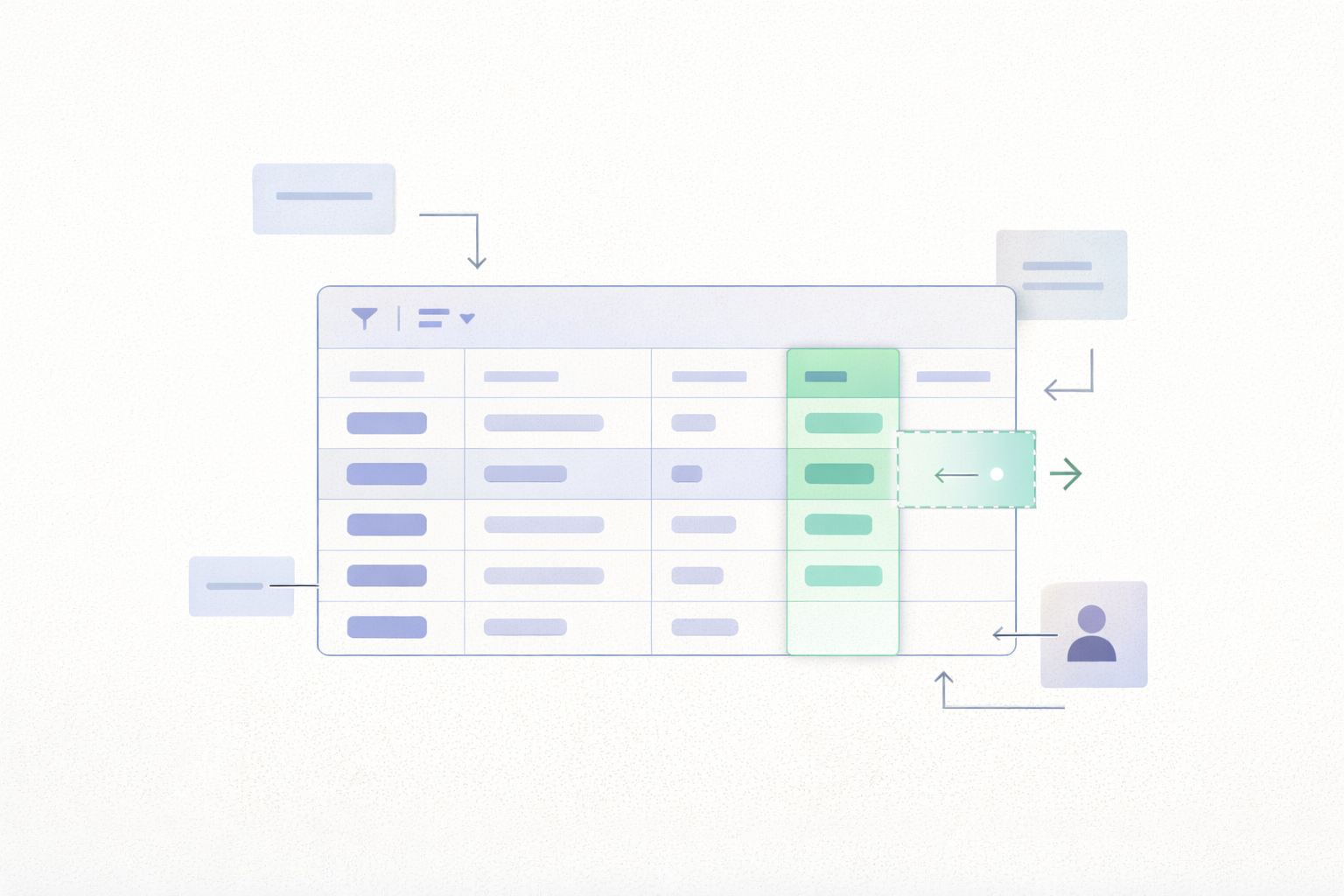
This "Live Prototyping" reduces the discovery-to-development phase by weeks.
Retool handles environments (Staging vs. Production) differently than a standard Git-based workflow. It is vital to understand that in Retool, Environments primarily manage Resources.
When we set up a Retool instance, we define environment-specific variables for every resource.
dev-db.company.com with read/write access to test data.prod-db.company.com with strict encryption and limited access.By decoupling the Resource from the App, we ensure that a developer can work on the "Production App" logic while only ever seeing "Staging Data." This is a massive security win. It prevents the most common internal tool catastrophe: The Accidental Production Update.
Versioning is where the Retool Delivery Process meets traditional software engineering.
Every Retool app exists in two states: the Editor state (Draft) and the User state (Published).
v1.2.0). This creates a snapshot of the UI components, the JavaScript logic, and the SQL queries at that exact moment.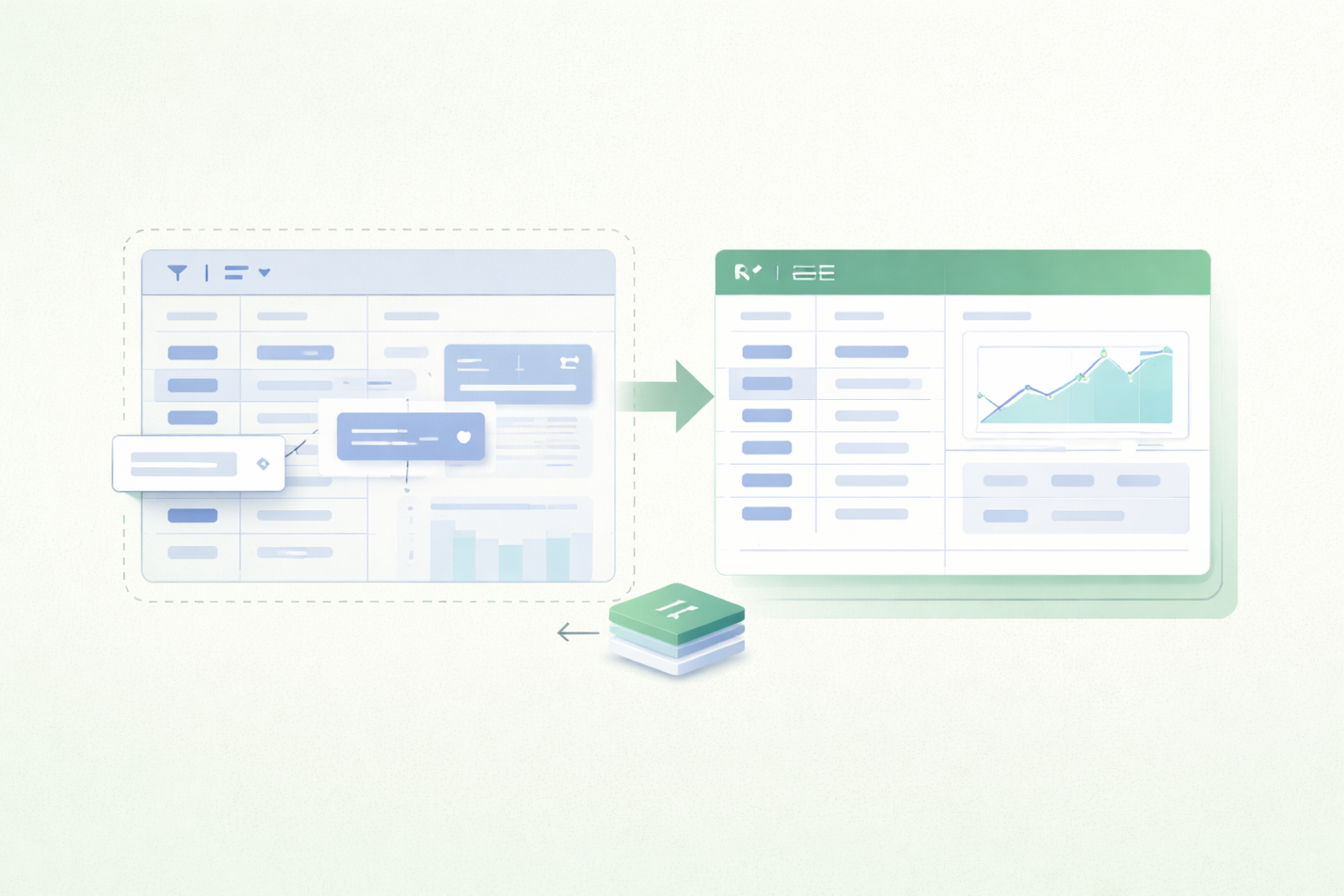
In traditional coding, a "Rollback" involves re-triggering a CI/CD pipeline, which might take 15 minutes. In Retool, a rollback is a database record swap that happens in milliseconds. If a user reports a bug in v1.2.0, the admin can revert to v1.1.9 with one click, restoring service while the developers debug the draft.
As apps scale, hardcoding API keys is a cardinal sin. Retool provides Environment Variables (often confused with Environments, but technically distinct).
{{ environment.variables.STRIPE_SECRET_KEY }}.SHOW_BETA is true.QA for Retool is less about "Does the button work?" (since Retool's components are pre-tested) and more about "Is the data integrity maintained?"
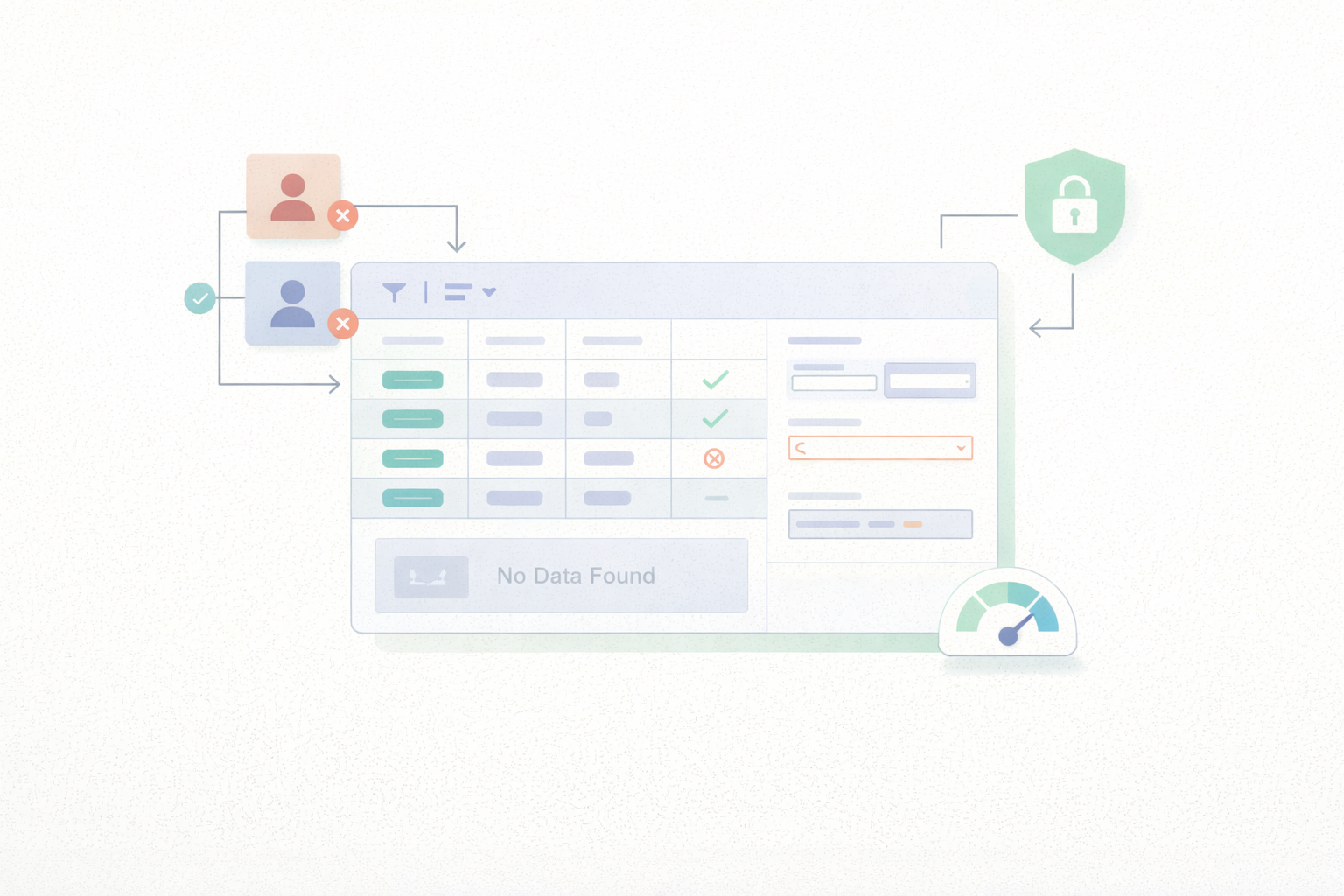
One of the most significant advantages of the Retool delivery process is the ability to treat internal tools as living organisms.
Unlike custom apps that are "handed over" and then forgotten, Retool apps thrive on feedback. Because the cost of change is low, we encourage a Weekly Iteration Cycle.
When you have 50+ apps and 500+ users, you need Protected Apps and Git Syncing.
For high-compliance industries (Fintech, Healthcare), we implement Git Syncing. This allows the Retool app's underlying JSON metadata to be synced to a GitHub repository.
Building a Retool app is easy. Building a Retool Ecosystem that is secure, fast, and scalable is an architectural challenge. By following a structured delivery process—focused on data-first discovery, environmental isolation, and rigorous version control—your organization can turn internal tools from a bottleneck into a competitive advantage.
If your team is struggling to manage complex data sources or needs a professional release pipeline for your Retool apps, that’s exactly where we come in. At Retoolers, we don't just build apps; we build the infrastructure that keeps your business running. Get a Quote
Looking to supercharge your operations? We’re masters in Retool and experts at building internal tools, dashboards, admin panels, and portals that scale with your business. Let’s turn your ideas into powerful tools that drive real impact.
Curious how we’ve done it for others? Explore our Use Cases to see real-world examples, or check out Our Work to discover how we’ve helped teams like yours streamline operations and unlock growth.
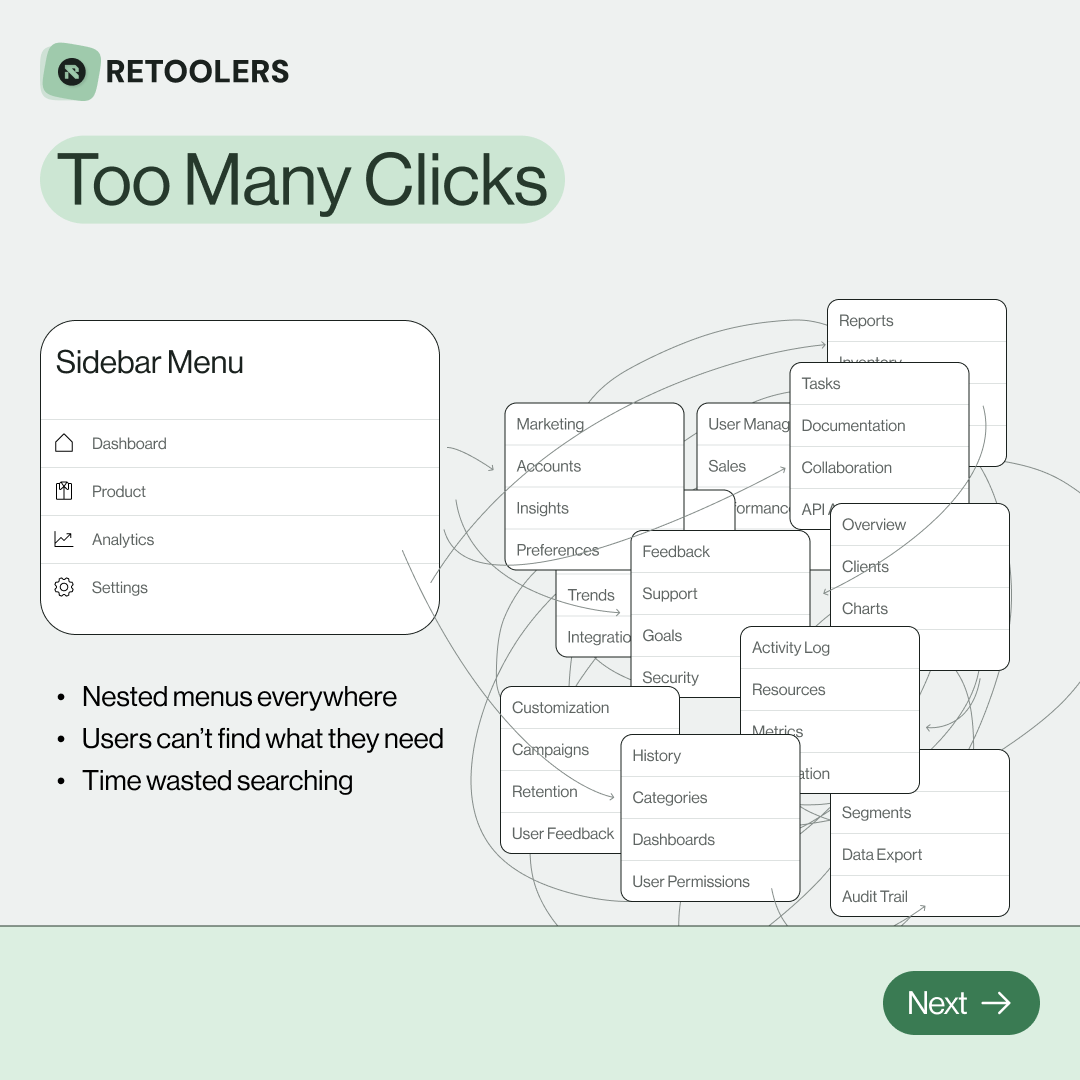
🔎 Internal tools often fail because of one simple thing: Navigation.
Too many clicks, buried menus, lost users.
We broke it down in this 4-slide carousel:
1️⃣ The problem (too many clicks)
2️⃣ The fix (clear navigation structure)
3️⃣ The Retool advantage (drag-and-drop layouts)
4️⃣ The impact (happier teams)
💡 With Retool, you can design internal tools that are easy to use, fast to build, and simple to maintain.
👉 Swipe through the carousel and see how better UX = better productivity.
📞 Ready to streamline your tools? Book a call with us at Retoolers.
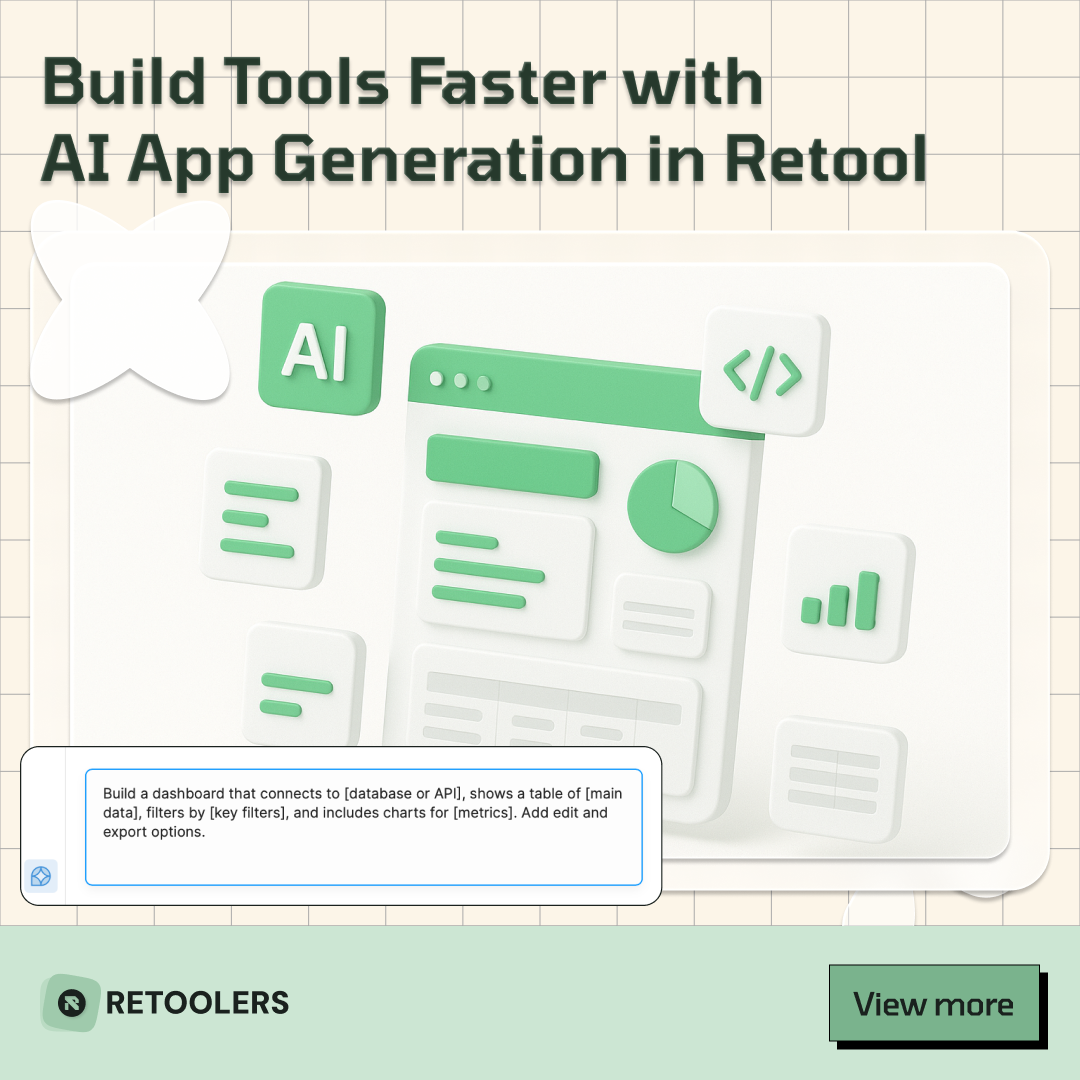
🚀From idea → app in minutesBuilding internal tools used to take weeks.
Now, with AI App Generation in Retool, you can describe what you want in plain English and let AI do the heavy lifting.
At Retoolers, we help teams move faster by combining AI + Retool to create tools that actually fit their workflows.
👉 Check out our blog for the full breakdown: https://lnkd.in/gMAiqy9F
Before we quote, we help you clarify the workflow. Share your idea, process, or existing tools, and we’ll map the key requirements, suggest the right system, and create a free wireframe so you can see the solution before development starts.